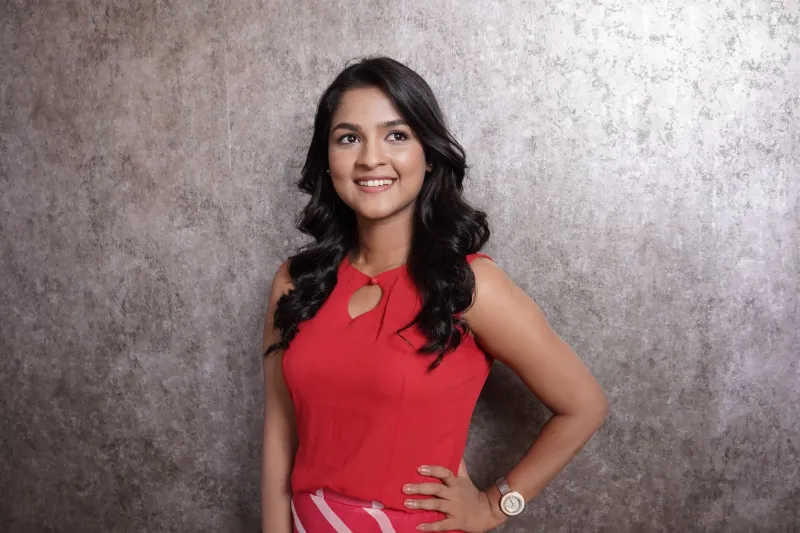
Creative Chemistry: The Surprisingly Thoughtful Way Renuka Singh Decides Who She Works With
There's a version of Hollywood — and Bollywood, for that matter — where actors just show up, hit their marks, and collect a paycheck. Renuka Singh has never been that kind of actress. And while a lot of coverage about her career focuses on the roles she's turned down or the projects she's carefully selected, there's a quieter, equally fascinating story running underneath all of it: the story of who she chooses to create with.
Because for Renuka, saying yes to a project isn't just about the script. It's about the people holding the camera, the voices in the writers' room, and the energy of the cast she'll be spending months alongside. That's a level of intentionality most fans don't get to see — but it's arguably the thing that's shaped her filmography more than anything else.
It's Never Just About the Script
Here's something worth sitting with: a great script in the wrong hands can become a forgettable movie. Renuka seems to understand this intuitively. When she's evaluating a potential project, the screenplay is the starting point — not the finish line.
Directors, in particular, seem to carry enormous weight in her decision-making process. She's spoken in various interviews about wanting to understand a director's vision before she commits, not just their résumé. What are they trying to say? How do they handle actors? Do they create a space where experimentation is welcome, or is the set more of a controlled environment where deviation from the plan is discouraged?
That kind of question might seem overly philosophical for what's essentially a job interview, but it reflects something real about how great performances actually happen. The best on-screen moments rarely come from rigid execution — they come from an actor feeling safe enough to take a risk. And that safety starts with the director.
Reading the Room Before She Enters It
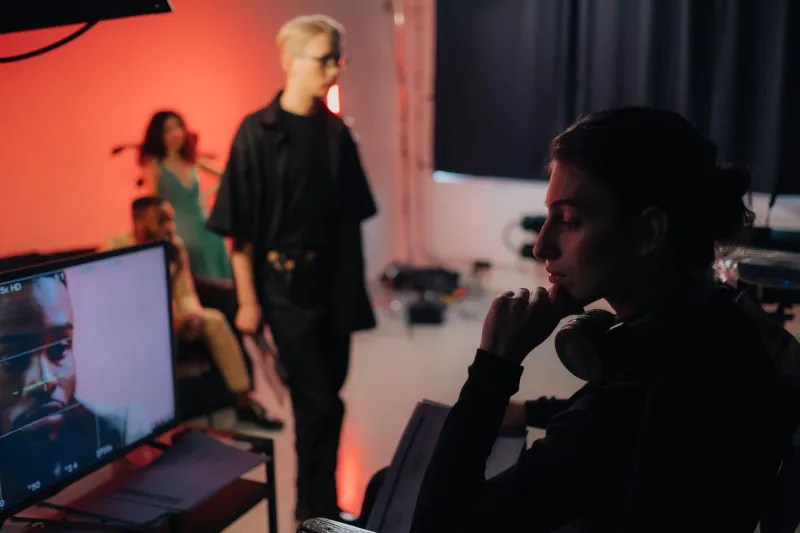
Beyond the director, Renuka pays close attention to the broader creative team. Cinematographers, production designers, costume departments — these aren't just technical roles to her. They're collaborators who will shape how her character is seen, literally and figuratively.
In the US, we talk a lot about "creative fit" in industries like tech and design, but we don't always apply that language to acting. Renuka seems to operate with that exact framework in mind. Is this a team that values the same things she does? Do they approach storytelling with care and cultural sensitivity? Will her input be welcomed, or will she be expected to simply execute someone else's fully-formed idea?
This matters especially given the kinds of stories she tends to gravitate toward — nuanced, often culturally specific narratives where getting the details wrong isn't just a creative misstep, it's a disservice to the communities those stories represent.
The Co-Star Factor
Then there's the question of who she'll be acting with. Chemistry between co-stars isn't magic — it's built, often through deliberate choices about who gets cast together. Renuka appears to take this seriously, and it shows in her performances. Scenes that require emotional vulnerability, tension, or genuine warmth don't work if the two actors aren't truly connected.
There's a reason certain on-screen partnerships feel electric while others fall flat even with talented individuals involved. A lot of it comes down to whether both people are showing up with the same level of presence and commitment. By being selective about her collaborators, Renuka effectively raises the floor of every project she's part of.
This isn't about ego or being difficult — it's about protecting the work. If you care deeply about a performance, you need a scene partner who cares just as deeply. Anything less and you're essentially acting alone, regardless of who's standing across from you.
What 'Good Creative Chemistry' Actually Looks Like
So what does Renuka actually look for when she's trying to gauge creative chemistry? From everything she's shared publicly, it seems to come down to a few core things.
First, mutual respect for the material. Everyone involved should understand what the story is trying to do and take that seriously, whether it's a lighthearted romantic comedy or a heavy dramatic piece.
Second, openness to dialogue. The best creative relationships aren't hierarchical — they're conversational. A director who's willing to hear an actor's interpretation, or a co-star who's genuinely curious about how a scene could be played differently, makes the whole process richer.
Third, and maybe most importantly, a shared sense of purpose. Why are we telling this story? Who are we telling it for? When everyone on set can answer that question the same way, something special tends to happen on screen.
The Long Game Pays Off
Here's what's interesting about this approach when you zoom out: it creates a kind of compounding effect on a career. Every strong collaboration becomes a reference point. Every creative partnership that works opens doors to the next one. Directors who've had great experiences with Renuka recommend her. Co-stars who've been elevated by working alongside her want to do it again.
In an industry that can feel transactional — especially when you're navigating the cross-cultural terrain between Indian and American entertainment — building genuine creative relationships is both rare and valuable. It's the kind of currency that doesn't show up on a box office report, but it absolutely shows up in the quality of work over time.
For US fans who might be more familiar with the Hollywood model of star-driven projects where big names get attached and everything else follows, Renuka's approach might feel almost counterintuitive. But in many ways, it's more aligned with how the best American independent filmmakers think about their work — as a collaborative act where the sum is genuinely greater than its parts.
Why This Matters to Fans
If you're someone who follows Renuka's career closely, understanding her collaboration philosophy actually gives you a new lens for watching her performances. When you see her in a scene that feels particularly alive — where the emotion lands just right or the chemistry with another actor feels completely real — there's a good chance that didn't happen by accident.
It happened because she made a deliberate choice, probably months before filming started, to work with people who would bring out the best in her. And that's worth appreciating.
Renuka Singh isn't just an actress who picks good roles. She's an artist who builds good creative environments — and then does her best work inside them. That's a distinction that doesn't always get the attention it deserves, but it's at the heart of everything she's built so far.